
Description
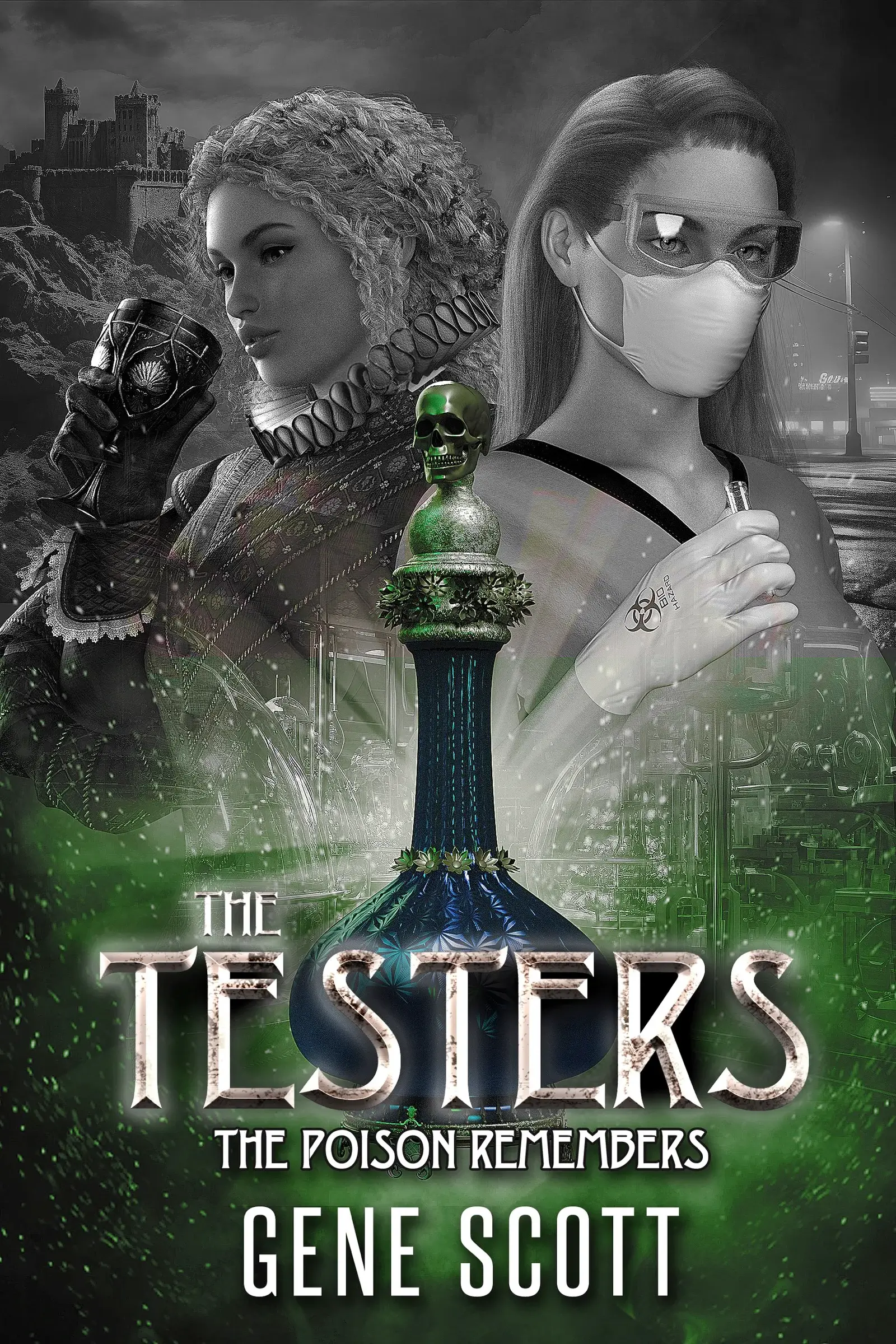
In The Testers, history is not distant—it is inherited. Spanning from the Tudor court of 1521 to the hills of modern Appalachia, The Testers traces a lineage of poison-testers, truth-keepers, and reluctant witnesses bound by one dangerous task: consuming what others fear. Across centuries, survival depends on reading power correctly—and remembering what it tries to hide.
At court, the role of a tester is both intimate and expendable. To taste a ruler’s food is to stand between authority and consequence. But in The Testers, poison is not only chemical. It lives in secrecy, ambition, and silence. The position grants proximity to power while demanding invisibility. Each generation learns that knowledge can protect—but it can also destroy.
Power and Survival
The novel’s Tudor thread reveals how institutions preserve themselves through ritual and fear. The testers become living safeguards, absorbing risk so the powerful never have to. Yet beneath obedience lies awareness. In this narrative, small observations become acts of quiet defiance. A glance held too long. A truth passed down in whispers. The story asks what it costs to endure a system built on sacrifice—and who ultimately pays the price.
Memory, Inheritance, and The Testers
In 2025 Appalachia, the legacy resurfaces. The profession may look different, but the pattern remains: certain bodies absorb danger so others remain untouched. Environmental hazards replace royal banquets. Corporate power replaces the crown. The connection between past and present unfolds gradually, revealing that history repeats not because it is forgotten, but because it is convenient.
What makes The Testers compelling is its emotional restraint. The stakes are deeply personal: family loyalty, moral compromise, generational trauma. Characters must decide whether survival is enough—or whether breaking the chain is worth the risk. The tension is less about spectacle and more about choice.
For socially conscious readers and book clubs, The Testers offers rich discussion around inherited systems, environmental justice, institutional sacrifice, and the ethics of complicity. It blends historical fiction with contemporary realism, grounded in human vulnerability rather than grand rebellion.
“The Testers is a haunting meditation on the quiet courage of those history rarely names.”
