
The lamb was slaughtered; the wolf survived.
I wrote “Machine God” because silence felt like agreement. I grew up in the ’60s, when faith still felt like comfort—when church meant potlucks, not politics. Back then, Scripture lived in our songs and stories, not in soundbites on campaign ads. But somewhere along the way, I watched belief turn into a weapon—long before I had words for what I was seeing.
Men in suits are now quoting Scripture while gutting our schools, our clinics, our futures. The same mouths that promised salvation went quiet when the pills flooded in—when the jobs flooded out—when our people started dying in numbers that should have shaken heaven.
We cannot heal what we refuse to see.
[Verse 1]
Cross on the jacket, boots on the ground
Smoke on the altar, no choir sound
They preach peace but deal in fear
Say the kingdom’s close — it ain’t here
[Verse 2]
He quotes the Gospel, signs the raid
Tells the faithful not to be afraid
Says the blood was always justified
The lamb was slaughtered; the wolf survived
[Chorus]
Praise the flag, light the flame
Speak His name, not His shame
Burn the books, raise the rod
Bow your heads to the Machine God
[Verse 3]
They cut the aid, they bless the wall
Speak in tongues, but their eyes stay cold
Kneel to wealth and call it grace
See God’s work in a drone-struck face
[Chorus]
Praise the flag, light the flame
Speak His name, not His shame
Burn the books, raise the rod
Bow your heads to the Machine God
[Bridge]
He walked on water, now he walks on graves
Blesses bombs in Jesus’ name
Smell the incense? Oil and ash
Want salvation? Pay in cash
[Final Chorus]
Praise the flag, light the flame
Build your church on someone’s grave
Raise your hands, bless the fraud
Kneel again to the Machine God
The Jesus I learned about fed the hungry, healed the sick, flipped tables in the temple when money changers moved in. He didn’t bless bombs or sign raids or tell the poor their suffering was God’s plan. “Machine God” isn’t a rejection of faith. It’s a demand that faith remember itself. We are more than what’s been done to us. But we cannot heal what we refuse to see.
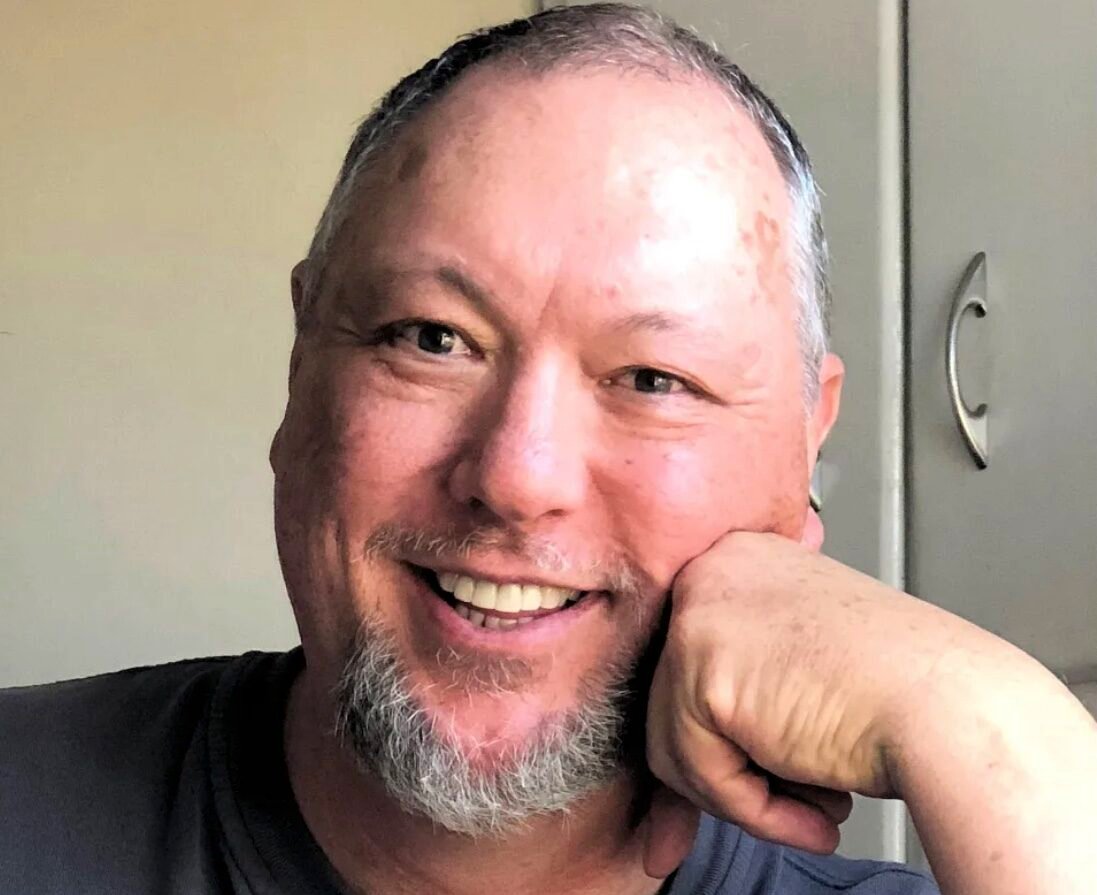
Gene Scott grew up on a tenant farm in Sheffield, Illinois, where strip mines swallowed the prairie and Euclid trucks hauled coal past the kitchen window. His father welded for International Harvester winters and pulled hogs from collapsed mine shafts. His mother drove a hundred miles round-trip to Bradley University three days a week, graduated with honors, and never let them miss a meal. Scott earned degrees from Illinois and Tennessee, married Lana Ferguson on her family’s front porch in Hancock County—the oldest residence in the county, where her Confederate ancestor is buried at the edge of the woods—and raised a son in the Appalachian foothills. His writing draws on Midwestern magical realism, generational memory, and the stories told around oak kitchen tables where stoker men and snake women once drank coffee.
