Description
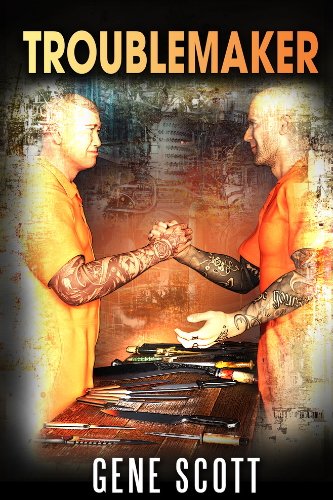
In Troublemaker, dissent begins quietly. What starts as a series of small observations—irregular reports, altered records, unexplained outcomes—slowly evolves into a moral crisis. Troublemaker follows a reluctant insider who begins to understand that the system they serve is built to protect itself at any cost. The novella explores what happens when conscience outweighs compliance.
The protagonist is not a hero by nature. They are careful, observant, and aware of the risks. Yet in Troublemaker, patterns become impossible to ignore. Data doesn’t align. Language softens reality. Harm is reframed as policy. As inconsistencies accumulate, so does tension. The emotional stakes grow not from dramatic confrontation, but from the dawning realization that silence makes one complicit.
Institutional Power and the Making of a Troublemaker
Troublemaker examines how institutions neutralize dissent. Questioning becomes insubordination. Documentation becomes liability. The label “troublemaker” is deployed strategically—an efficient way to isolate, discredit, and contain. The story captures how reputations can be weaponized long before any formal accusation is made.
Within this pressure, relationships strain. Allies hesitate. Superiors tighten oversight. Every choice narrows future options. The protagonist must weigh personal stability against collective harm. Troublemaker asks whether integrity is worth professional exile—and whether the truth can survive once it threatens powerful interests.
Truth, Risk, and Moral Reckoning
As evidence mounts, so does danger. Files are copied. Conversations are recorded. Trust fractures. The stakes become personal, extending beyond career to safety and belonging. Troublemaker portrays whistleblowing not as a triumphant act, but as a lonely and destabilizing one.
Yet the novella also reveals the quiet solidarity that can form in moments of shared doubt. Others notice. Others remember. Troublemaker suggests that systems endure through silence—but they fracture when enough individuals decide to speak.
For socially conscious readers and book clubs, Troublemaker offers layered discussion around institutional accountability, the psychology of compliance, and the cost of moral clarity. It is literary fiction grounded in realism, focused on character rather than spectacle, and driven by the intimate tension between fear and conviction.
“Troublemaker is a compelling study of courage under pressure and the fragile power of truth.”
