The country out the windshield ain’t the country on the screen
Michael “Gene” Scott
Jul 03, 2026
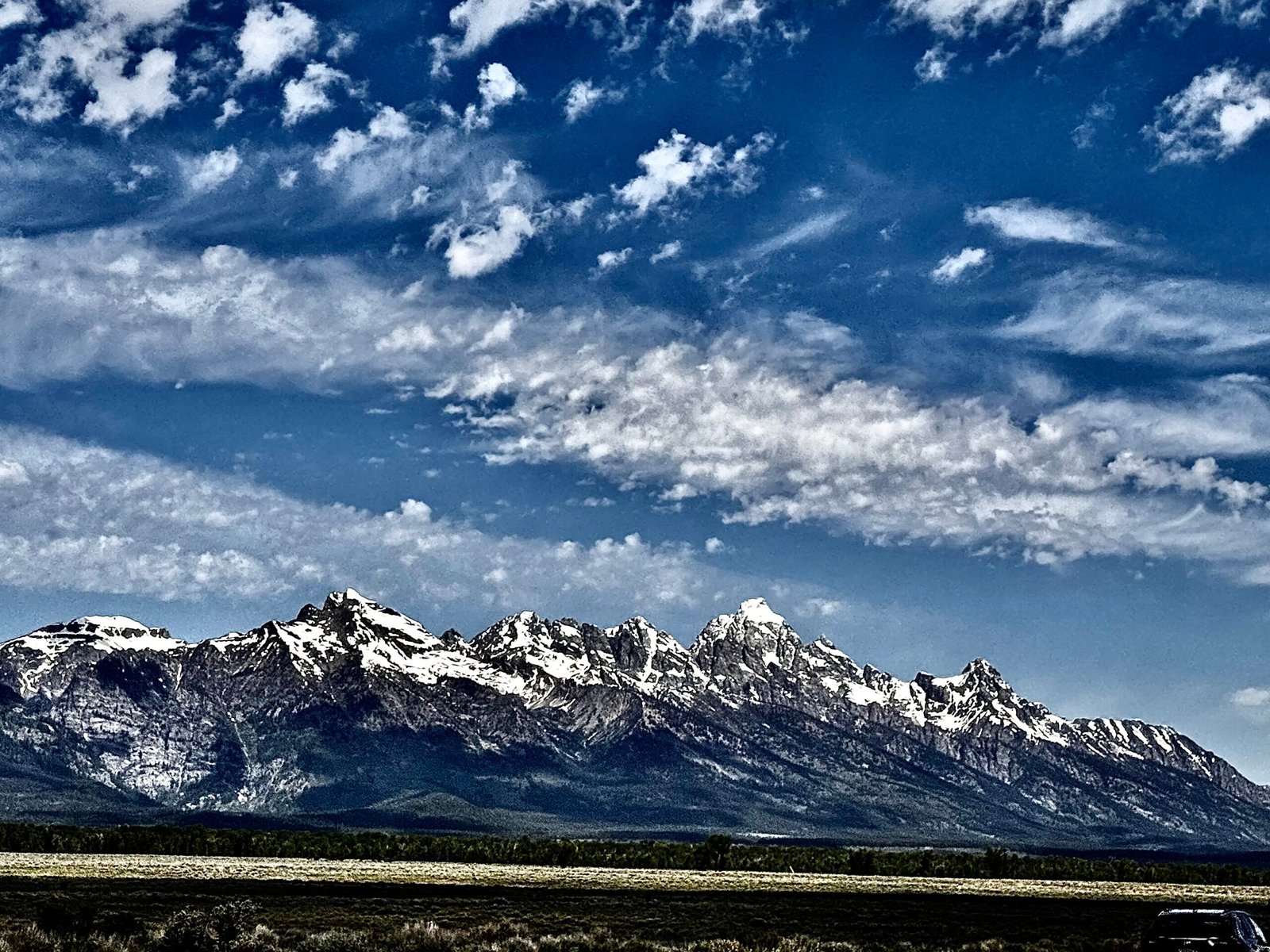
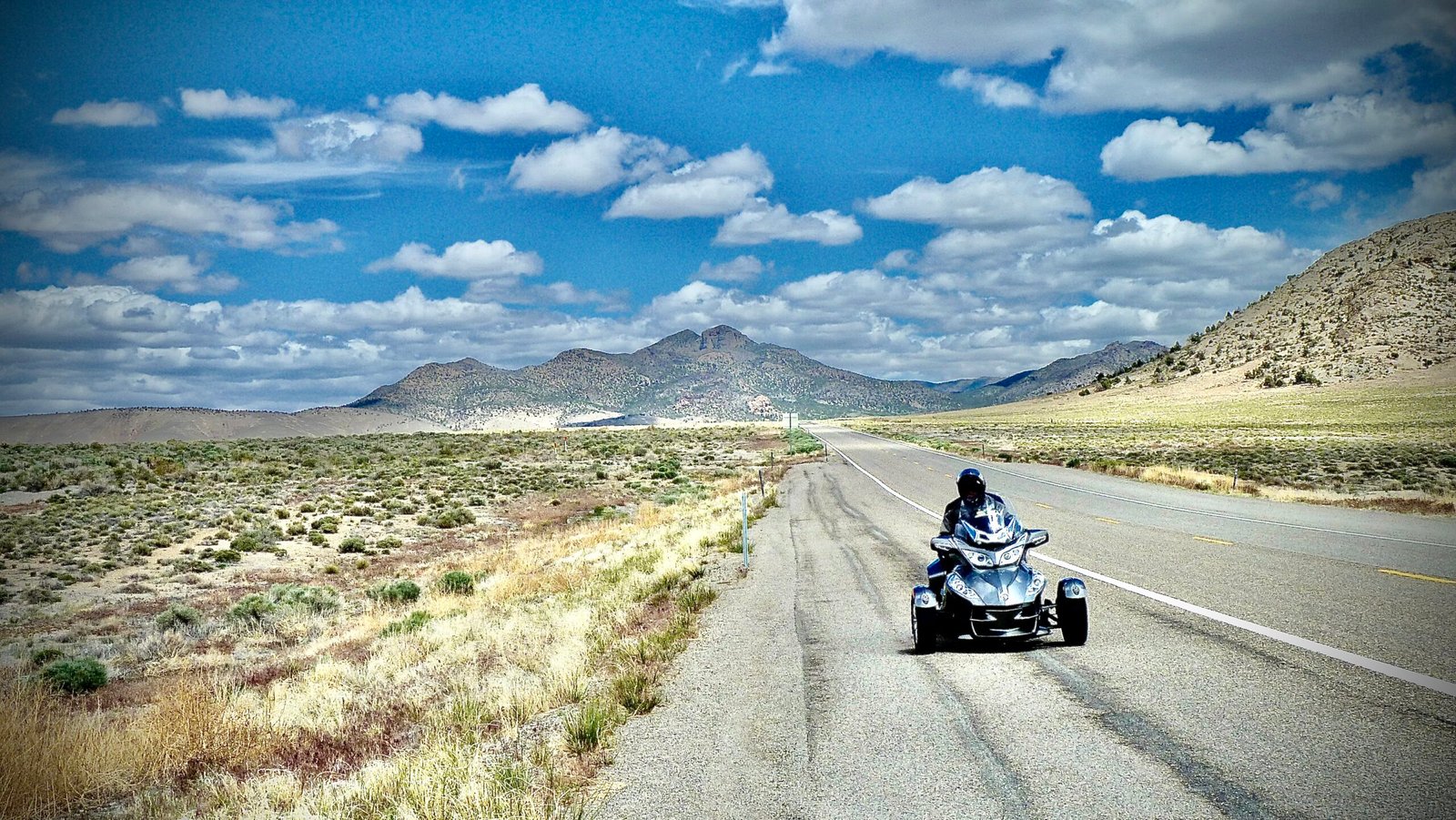
Just returned from a 6,000-mile motorcycle ride — Johnson City, Tennessee to Klamath Falls, Oregon and back. Wanted to blog it all, but the relentless pace killed the idea.
So I’ll share the overall experience after a few days of reflection.
Your travel prayers made all the difference. Eric Middlemas and I rode inside a safe weather pocket the whole way, caught a little rain, but mostly spectacular skies and good roads under the wheels.
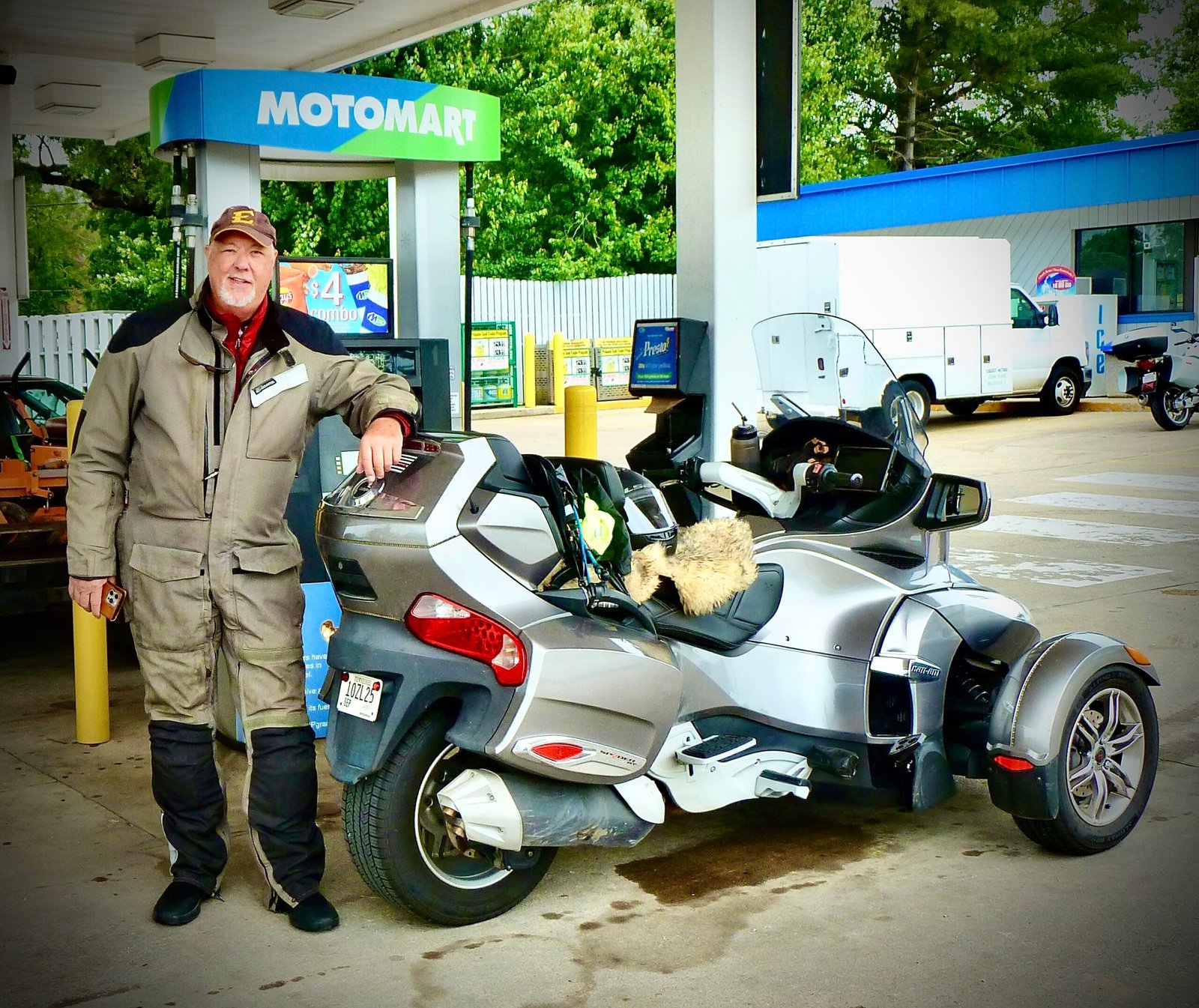
Here’s what we noticed, one end of the country to the other: people are friendly. They get along. They work together. A man at a gas pump in Nebraska will spend ten minutes telling you about his girl on the rifle team. A cowboy in a diner in the high desert waves you over to the good table. From the Blue Ridge to the redwoods, Americans like each other and help each other and want the same handful of things.
Not 100%.
But it’s the standard, and it feels pretty good.
Which is the exact opposite of the daily feed.
Ask the soccer players visiting our nation for the first time.
They know the average American is a friendly, open-minded, live-and-let-live individual who’s aware the whole country was built on the backs of immigrants — our ancestors. Whether they came from Scotland, the Amazon, or Zimbabwe.
Not 100% of Americans feel that way.
But the ones who don’t are usually too deep in the extreme rural pockets to have travelled much, or to have ever met a living human from a distant land.
Folks too bent on believing a barking Fox.
Open your phone and it’s hate, division, distortion, outrage on a timer. They’re eating your cats!
In reality, they’re wiping your nasty white backside in the nursing home and sending the money home to families who are starving.
Now that USAID is dead, so are hundreds of thousands of humans. The models say millions before it’s done.
A republic’s feet don’t stop at the county line.
Some walk a long way from home — into a clinic in Kenya, a feeding tent in South Sudan. Those were our feet too, and this year we pulled them back.
A study in The Lancet found that USAID prevented an estimated 91 million deaths over two decades, and projected that dismantling it could cost more than 14 million lives by 2030, over 4.5 million of them children under five.
The same thing is true across an ocean as across a street: somebody has to be willing to go.
When we stop going, people don’t get an argument.
They get a funeral.
None of the hateful political rhetoric spewing from the tiny oval in the Oval Office matches what I saw out a windshield at seventy miles an hour three weeks straight.
The country I rode through and the one I’m shown on a screen are not the same country.
One of them is real.
The other is engineered to keep me scared and sitting still.
That gap is what got me writing.
Never thought I’d write a Fourth of July song.
Patriotic music mostly leaves me cold — too many flags, too much borrowed thunder, songs that sound like they’re saluting something instead of loving it.
But this month’s Atlantic ran a picture of Julia Ward Howe’s lyrics to “The Battle Hymn of the Republic,” and I sat on the couch reading over words that struck me fresh. One verse stopped me cold.
From “The Battle Hymn of the Republic,” by Julia Ward Howe (1862)
He has sounded forth the trumpet that shall never call retreat; He is sifting out the hearts of men before His judgment-seat: Oh, be swift, my soul, to answer Him! be jubilant, my feet! Our God is marching on.
There it was, buried in the thunder — be jubilant, my feet.
The rest of the hymn is sword and vintage and judgment: the fateful lightning, the terrible swift sword, God marching in from above to sort out who’s right. Grand. And I understand why Howe wrote it that way in 1862; the country was tearing itself in half and she reached for the biggest weapon language had.
But three lines into that fourth verse, she set the thunder down and wrote something small and human. Not the Lord’s feet. Hers.
Be jubilant, my feet.
The command to answer doesn’t come down from heaven — it lands in a body, in a pair of feet that have to actually go somewhere.
So I stole it. That one line.
And built a whole song around it.
Because fresh off six thousand miles of ordinary people being decent to each other for no particular reason, I knew: that’s not the republic I just rode through. Nobody out there was waiting on lightning from the sky.
The republic I saw ran on legs — on people getting up, going outside, and doing the small, unglamorous work of being a neighbor. It doesn’t march down from heaven. It walks, or it doesn’t move at all.
So I wrote the opposite of a battle hymn.
No swords, no glory, no vintage where the grapes of wrath are stored.
I wanted a song that started as small as the thing starts: a chair, a screen, a pair of shoes by the door. A man in a basement who knows every danger in the world and hasn’t crossed his own sidewalk.
Then let the country physically enter the song one doorstep at a time.
Because here’s the whole idea, and it’s simpler than Howe’s and I think truer:
A republic can’t walk without human legs. It has no feet but ours.
I called it “Jubilant Feet.”
Here it is. I’ll say a word about it on the far side, but a song ought to be able to walk in the door on its own two feet before its writer starts explaining it. So — read it, or better, hum it.
It moves at 116 beats a minute, about the pace of a determined walk. That’s not an accident.
Jubilant Feet
Listen — Jubilant Feet
[Verse 1]
I was down where the daylight
Couldn’t get through
Watching the whole world happen
From a basement room
I could name every danger
I could tell you who’s to blame
But I hadn’t crossed the sidewalk
Or asked my neighbor’s name
[Pre-Chorus]
Then somewhere through the window
Came a laugh out in the street
And I stood in the doorway
Still in my stocking feet
[Chorus]
Shoes on the floor
Key in the door
Cross that street
Knock once more
Learn one name
Pull up a seat
The republic has no feet but ours—
Come on, jubilant feet
[Verse 2]
I started with the old man
Who lives at twenty-three
He said, “Son, we won’t agree much”
I said, “That’s all right with me”
Then the woman at the market
Poured us coffee to the brim
Then the kid behind the till
Came out and laughed with him
[Pre-Chorus]
Funny, I thought the street was sleeping
While I worried there alone
Turns out everybody waited
For somebody else to go
[Chorus]
Shoes on the floor
Key in the door
Cross that street
Knock once more
Learn one name
Pull up a seat
The republic has no feet but ours—
Come on, jubilant feet
[Verse 3]
There’s a chair beside the furnace
Where I used to watch the news
There’s a hollow in the cushion
Shaped just like my blues
I knew every red-faced stranger
Shouting underneath a light
But not who kept the porch lamp burning
Three doors down from me at night
[Pre-Chorus]
Now somebody calls from the driveway
Someone waves across the street
And the block I thought was sleeping
Has been waiting on its feet
[Bridge]
One pair on the sidewalk
Two pairs at the gate
Ten coming round the corner
Saying, “It’s not too late”
A hundred in the morning
A thousand by the week
You can hear a country coming
Before you hear it speak
[Break / March Chant]
Take your key
Leave your chair
Down the steps
Into the air
Past your gate
Onto the street
The road is waiting—
Bring your feet
[Final Chorus]
Shoes on the floor
Key in the door
Cross that street
Knock once more
Learn one name
Save one seat
The republic has no feet but ours—
Come on, jubilant feet
Shoes on the floor
Doors open wide
Call down the block
“Anybody outside?”
Here comes a laugh
Here comes the beat
Here comes the whole damn neighborhood
On jubilant feet
[Outro]
Shoes on
Door wide
Daylight
Outside
Shoes on
Door wide
Come on—
Come outside
So this Fourth of July, that’s the only thing I’m asking.
Not lightning. Not glory. Shoes on. Key in the door. There’s a name three doors down you don’t know yet.
Come on, jubilant feet!
Gene Scott grew up on a tenant farm outside Sheffield, Illinois, surrounded by hogs, motorcycles, storytelling, and the hard realities of Midwestern working life. A lifelong reader, songwriter, photographer, and novelist, Scott writes fiction rooted in working-class America, Appalachian culture, memory, faith, loss, endurance, and the strange beauty hidden inside ordinary lives.